Women-Centred Harm Reduction
Harm reduction and overdose prevention spaces that welcome, honour and support women from WHAI's priority populations were highlighted throughout the consultation process.
About Women-Centred Harm Reduction
Women-centred harm reduction was described as programming and spaces for women who use drugs to support each other with information about safer drug use practices, safer places for using drugs, overdose prevention practices, and access to a safer drug supply in ways that foster increased safety, economic stability, and improved health outcomes.
Intersecting needs were also identified, including:
- Strategies for navigating relationships
- Supports related to pregnancy and parenting
- The prevention of gender-based violence and harassment in spaces where services are delivered (including harm reduction spaces)
- Ways of addressing experiences of criminalization, including that of sex work
Women noted opportunities to grow safe, non-judgmental, culturally inclusive, harm reduction services where workers practice trauma-informed care, that are reflective of the diverse lived experiences of drug use, and are representative of Indigenous, Black, Brown, and other racialized communities.

What is WHAI doing?
Moving this work forward, WHAI’s work includes:
- Collaborating with local harm reduction teams and partner organizations to enhance spaces where women who use drugs/substances can safely access service and connect with each other
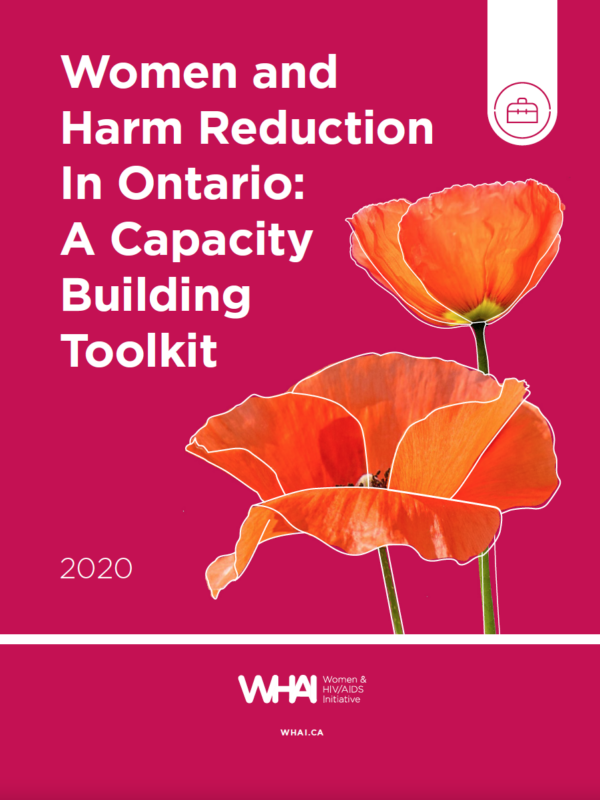
- Drawing on WHAI’s Women and Harm Reduction Toolkit and other resources to support community capacity building work and amplify women’s voices and include their expertise throughout all aspects of the work
- Working with women who use drugs/substances to facilitate community education and enhance connections to safe, trauma-aware, culturally inclusive care
Community Voices
Our work is always informed by the lived experiences of women.
“We need more open spaces, safe spaces and less stigma surrounding drug use and safe injection site and accessing harm reduction.”
“Mainly within the harm reduction community I’ve felt that I am able to connect and get support. Along with my peers. Some feelings of isolation and loneliness.”
“Using substances increases your risk of HIV so much. Some women are not able to access harm reduction supplies because they are worried about what people will think if they see them there.”
Featured Resources From WHAI