Who We Are
WHAI is a community-based response to HIV and AIDS among women and gender-diverse people in Ontario.
A Note About Gender.
‘Woman’ and ‘Women’
WHAI prioritizes work with cis and Trans women, 2-Spirit and Non-Binary people who are living with HIV, and/or who are African, Caribbean Black, Indigenous, newcomers, who use drugs or substances, have experiences with violence, and/or have been/are incarcerated.
Throughout our website, the term ‘women’ is bold to remind us of the importance of prioritizing and centring communities of women who face disproportionate structural risk factors related to HIV, as well as being a reminder that gender is not binary, and the importance of thoughtfulness towards inclusivity for Trans, Two-Spirit, and Non-Binary people in WHAI work. Identities are capitalized throughout, except “cis.” This is to remind us of the privilege and space afforded cis people, and to support the amplification of identities outside gender-binary constructions.
About WHAI
WHAI’s work across Ontario is rooted in the principles of community development and collective impact.


Our Goals

Reduce HIV risk for women and gender-diverse people disproportionately affected by HIV.

Enhance local community capacity to address HIV.

Build safe environments to support HIV-related needs.
Committed to Equity
Our organizational commitments reflect our priorities and values.
Our Dedicated Team
-
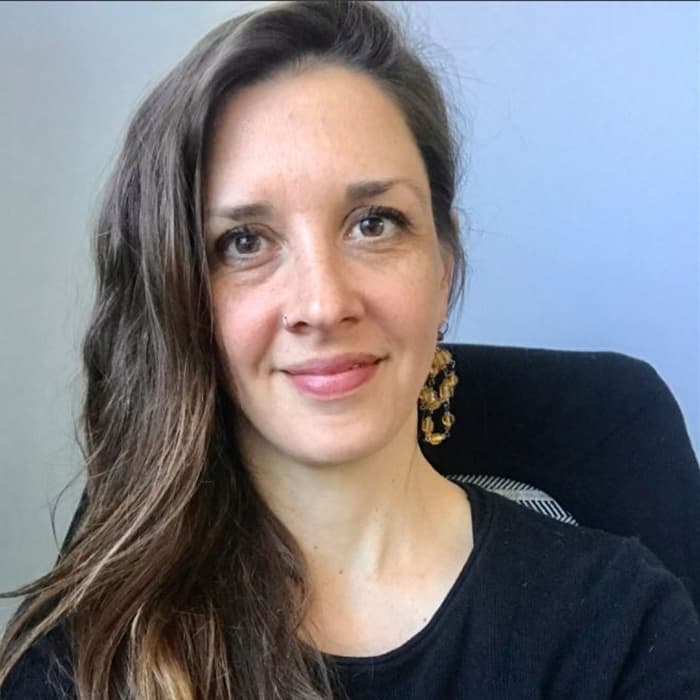
Molly Bannerman (she/her)
Provincial Director
Molly Bannerman (she / her), has worked in the field of community development social work with a focus in harm reduction and overdose prevention, sexual health, gender equity, arts-based practice, community-based research and restorative conflict resolution since the early 2000s. She grew up between Galt, Ontario – land on the Haldimand Tract and part of Treaty 3, and Oliphant – on Lake Huron, land of the Chippewas of Nawash First Nation, on Treaty 72. Molly completed her Masters in Social work at the University of Toronto, and currently works as the Provincial Director of the Women and HIV/AIDS Initiative of Ontario.
mbannerman@whai.ca
416-364-4555 ext. 321 -
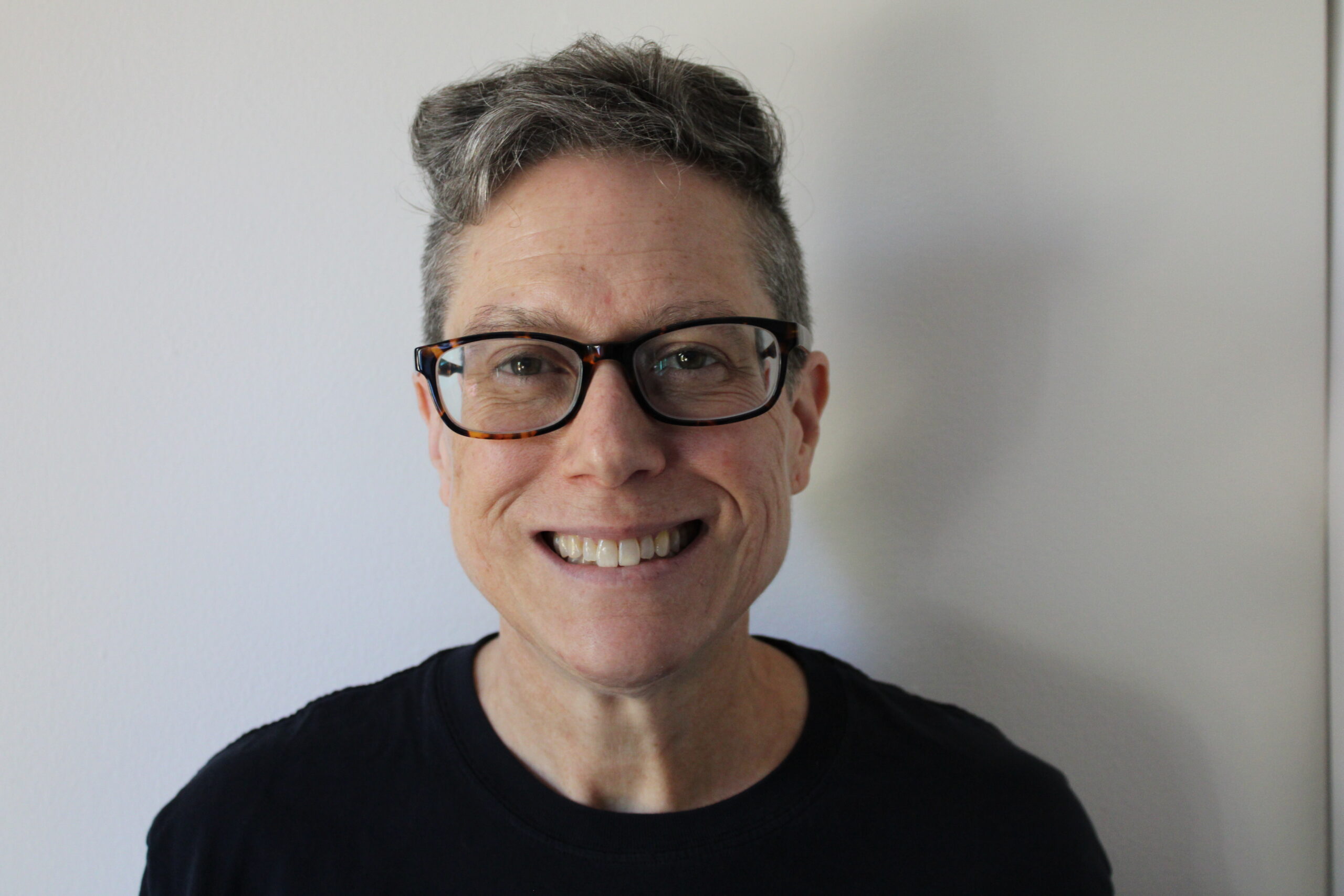
Kristin Boyer (they/them)
Program Lead
Kristin Boyer (they/them) has a background in community-based social justice advocacy including harm reduction, gender-based violence, and building awareness related to poverty and food insecurity. Their particular interest in community health has led to volunteer and work experience related to informed choice and service access for pregnant and birthing people, sexuality education, and overdose prevention. Raised in Southern Ontario, Kristin studied at the University of Guelph as well as Lakehead University in Thunder Bay, where they resided for many years. Currently a resident of Toronto, Kristin works with the Provincial Women & HIV/AIDS Initiative (WHAI) Team as the Program Lead.
kboyer@whai.ca
416-364-4555 ext. 322 -

Maddie Yim (she/her)
Graphic Design Coordinator
Maddie Yim (she/her) is the Resource Development and Social Media Coordinator for the Women and HIV / AIDS Initiative (WHAI). Prior to beginning this role, Maddie graduated from the University of Windsor’s School of Social Work in 2022 and became the WHAI Coordinator at Pozitive Pathways where she contributed to educational and support programs for women that focused on HIV prevention and testing, harm reduction, and community connection. With years of volunteer experience in resource development and a deep commitment to social justice, Maddie continues to pursue her drive to create accessible, inclusive and empowering community resources.
myim@whai.ca
416-364-4555 ext. 324 -
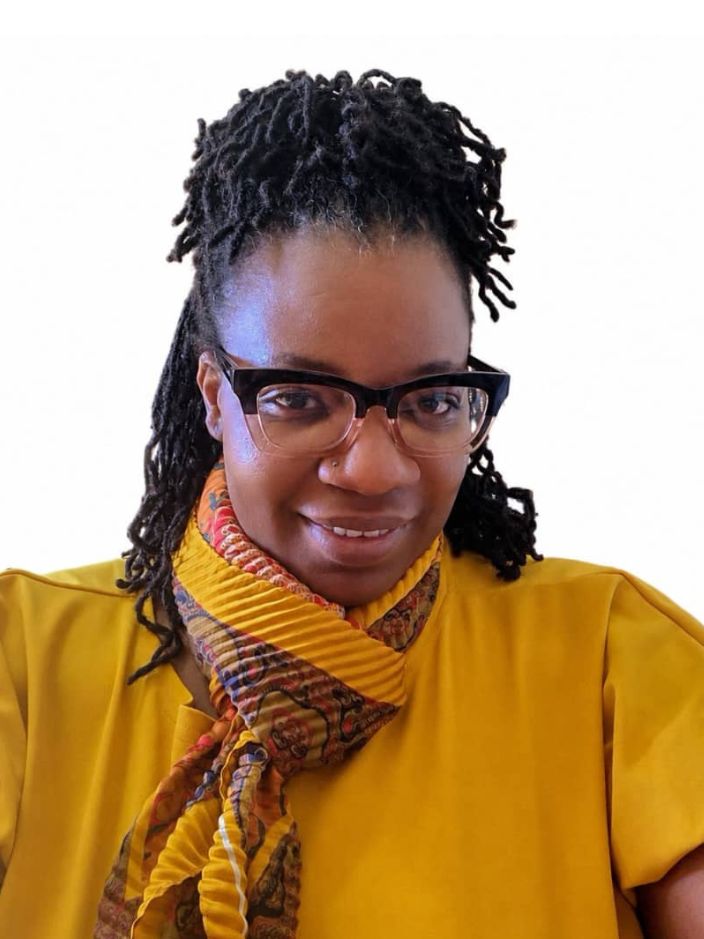
Mercy Majachani (she/her)
Evaluation and Knowledge Translation Coordinator
Mercy (she/her) has extensive experience in HIV programming, community engagement, and community-based research, shaped by several years of working directly with populations most affected by HIV. Her work has focused on HIV prevention, gender-based violence and stigma reduction, particularly among women and gender diverse people, racialized communities and 2S/LGBTIQA+ individuals. Mercy grew up and completed her education in Zimbabwe and holds a master’s degree in Big Data Analytics from Chinhoyi University of Technology. Mercy currently holds the position of Evaluation and Knowledge Translation Coordinator with the Provincial WHAI Team.
mmajachani@whai.ca
416-364-4555 ext. 320 -
Florinda Olawusi (she/her)
Community-Based Research Project Coordinator
Florinda Olawusi (she/her) has a background in global health, community-based research, and public health programming, with several years of experience in HIV and tuberculosis programs in Nigeria. Originally trained as a pharmacist, her work has included program implementation, monitoring and evaluation, quality improvement, and using data to strengthen health service delivery.
Her interest in health equity and community engagement has shaped her work across research, knowledge translation, and program development. Florinda holds a Master of Science in Global Health from McMaster University and is currently based in Ontario, where she works with the Provincial Women & HIV/AIDS Initiative (WHAI) as a Community-Based Research Project Coordinator.
-
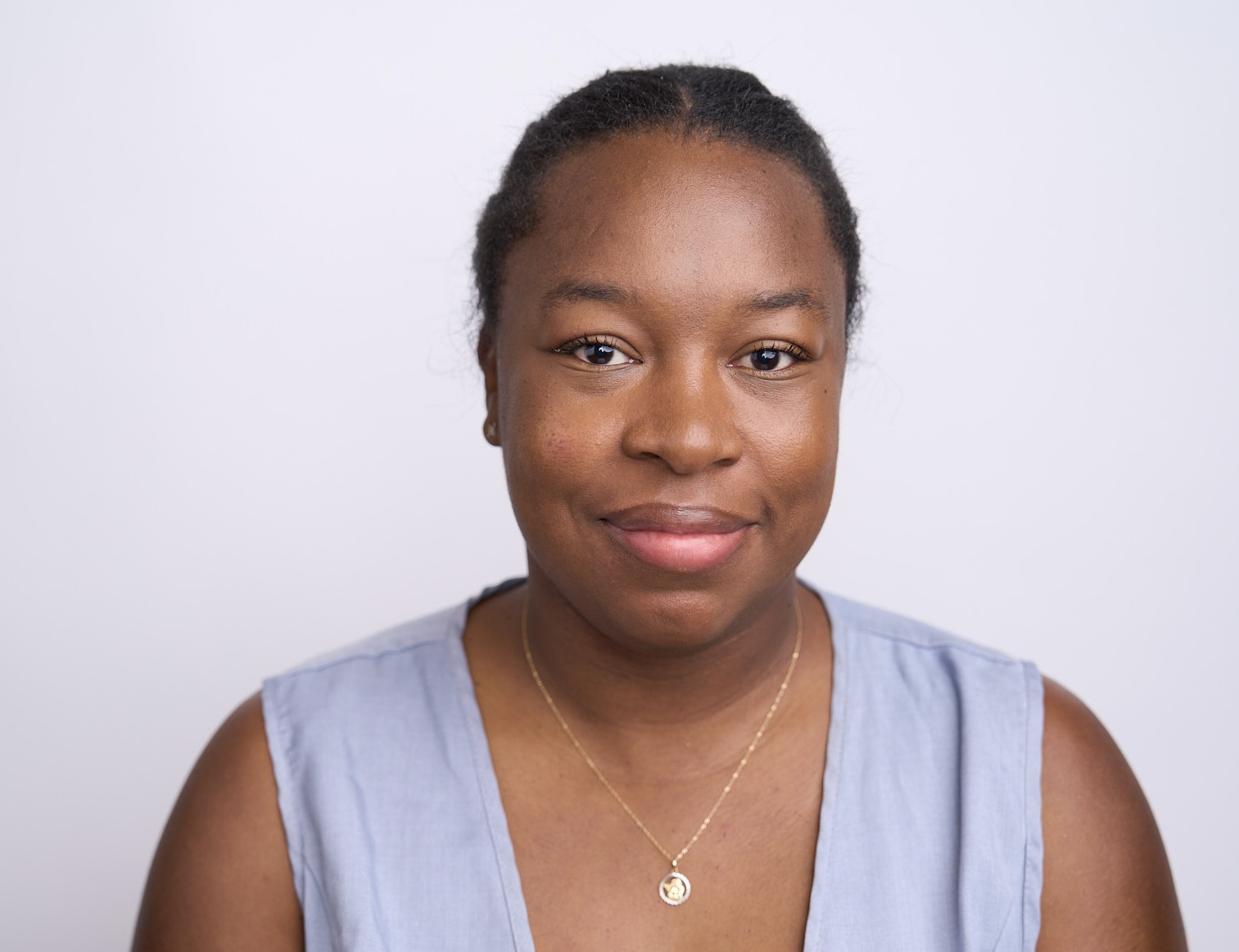
Shanice Harris (she/her)
Resource Development & Project Management Coordinator
Shanice Harris (she/her) was born and raised in Windsor, Ontario, and brings over eight years of experience working in the non-profit and community sector. As a community facilitator, speaker, and advocate, she is passionate about women’s health, reproductive justice, and mental health. Shanice holds a Bachelor of Social Work from Toronto Metropolitan University and continues to support work addressing intimate partner violence (IPV) and gender-based violence (GBV). Her work is rooted in creating intentional, culturally responsive spaces where people feel heard, valued, and empowered to make decisions about their own lives and well-being. She is especially passionate about uplifting the voices and lived experiences of Black women, families, and communities. At the heart of Shanice’s work is a belief in the power of community, lived experience, and collective empowerment to create meaningful change.
Local Coordinators
You can connect directly with a local WHAI Coordinator at the following locations:



How We Work
WHAI’s work is structured around 6 priority areas rooted in the principles of community development and collective impact.


